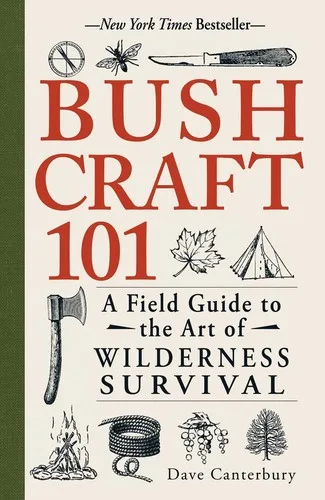
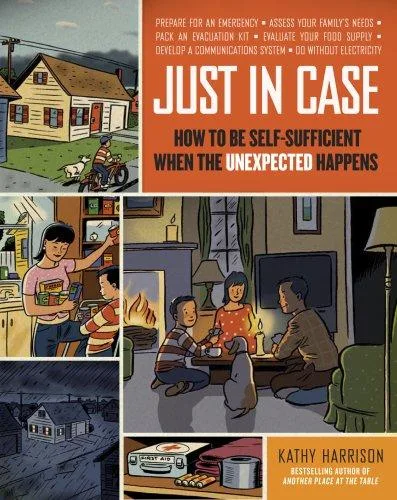
Growing and preserving food
The one skill that keeps producing after the stores stop. Nobody who can put up a harvest goes short of people to trade with.

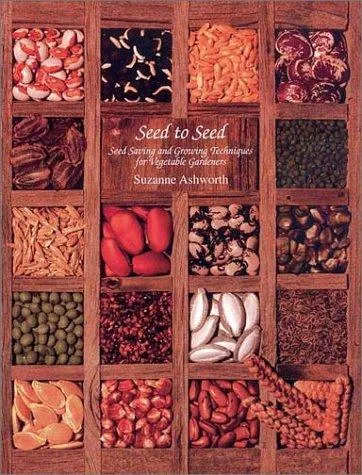
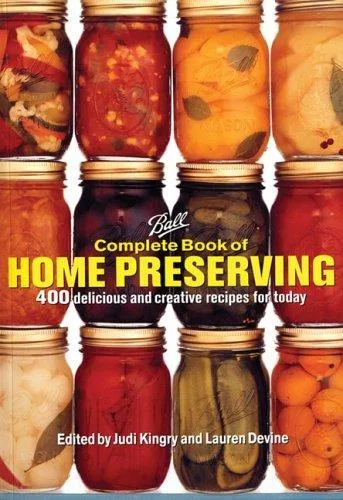

Fixing engines and power
Generators, pumps, chainsaws and mowers fail the same handful of ways, and almost nobody on a street can put one right.

Treating people
Wounds, burns, infection and medication, at the point where the ambulance is hours away rather than minutes.
Water
Finding it, moving it, catching it and making it safe. The first thing a household runs out of and the first thing it will trade for.
Radio and communication
When the network is down, whoever can raise someone thirty miles away is the only news anyone has.

Repair and craft by hand
Shelter, rope, tools and the ordinary fixes that need no power at all. The oldest tradeable work there is.