PassportYour most universally accepted identity document. Keep it valid. Check the expiry date now.
National ID cardRequired for most domestic transactions, border crossings, and official procedures.
Driver's licenseSecondary ID and proof of address. Copy both sides.
Birth certificateThe foundation of all other identity documents. Irreplaceable in practice. Store the original securely.
Marriage certificateRequired for inheritance claims, insurance payouts, and many legal procedures. Often overlooked.
Citizenship documentsNaturalization certificate, residency permit, or equivalent. Essential if you were not born in your country of residence.
Children's documentsBirth certificates, passports, and school records for each child. Keep copies separate from the originals.
Recent passport photographsEvery replacement document needs one and no photo booth works without power.
Residence permit or visaAnyone in the household who is not a citizen of the country they live in needs the permit itself, not a photocopy of the card.
Bank account detailsAccount numbers, IBAN, SWIFT, and branch contacts for every account you hold. Printed, not only digital.
Investment statementsBrokerage accounts, pension funds, retirement accounts. Current statements showing holdings and values.
Tax returnsLast 3 years minimum. Required for loans, visa applications, and insurance claims. Store as scanned PDFs.
Loan and debt recordsMortgage, car loan, and any other outstanding debt. Include account numbers and lender contacts.
Cryptocurrency accessSeed phrases and wallet addresses stored offline, on paper or metal, never digitally. Memorize your most important one.
Pension and social security recordsEntitlements are hard to reconstruct and easy to photograph.
Safe deposit box detailsBank, box number and where the key is. Useless to a thief, essential to your executor.
Home insurancePolicy number, coverage details, and claims contact. Know what is and is not covered before you need to file.
Vehicle insuranceKeep a copy in the vehicle and one at home. Include roadside assistance numbers.
Life insurancePolicy documents and beneficiary designations. Your family needs to know this exists and where to find it.
Travel insurancePolicy details and emergency assistance number. Especially important during extended evacuations or international travel.
Health insurance policyPolicy number, provider and the emergency line that works from abroad.
Property deedProof of home ownership. Required for insurance claims and rebuilding after a disaster. Store the original in a fireproof location.
Vehicle titleProof of ownership for each vehicle. Required for sale, insurance, and crossing some borders.
Lease agreementIf renting. Needed for insurance claims and disputes with landlords after emergencies.
Will and testamentIf you have one, store a copy outside the home. Let your executor know where it is. Without it, asset distribution defaults to law.
Power of attorneyAuthorizes someone to act on your behalf if you are incapacitated. Critical for medical and financial decisions.
Business documentsRegistration, licenses, contracts, and shareholder agreements if you own or co-own a business.
Mortgage documentsThe balance, the lender and the account. A claim stalls without them.
Photographs of every roomTaken twice a year and kept off site. An insurance claim is settled on what you can show, not on what you remember owning.
Vaccination recordsRequired for travel, border crossings, and some employment. Keep an up-to-date printed copy.
Prescription listAll current medications with dosages, generic names, and prescribing doctor's contact. Generic names matter across borders.
Medical history summaryDiagnoses, surgeries, allergies, and chronic conditions. One page, updated annually. Invaluable in an emergency room.
Blood type cardCarry it. Knowing your blood type in an emergency can save your life.
Insurance cardsHealth, dental, and vision. Include policy numbers and emergency contact lines for each insurer.
Dental recordsX-rays and treatment history. Often overlooked, occasionally required for identification in worst-case scenarios.
Children's health and vaccination bookRequired for school enrolment anywhere you end up.
Disability and care documentationProof of entitlement to assistance during an evacuation, not after it.
Allergies and adverse reactionsOne card, written plainly, for every person in the household. It is the first thing anyone treating them will ask and the first thing nobody can remember.
Encrypted USB driveScanned copies of every document above. Use full-disk encryption. Store one at home, one offsite: a trusted family member or safe deposit box.
Password recordNever in plaintext. Use a personal encoding only you understand. Store the encoded list and any decoding key in separate locations. Together they are a liability.
Account recovery codesBackup codes for email, banking, and critical accounts. Encoded, not plaintext. Stored separately from your password record, inside a locked safe.
Contact listKey contacts printed on paper: family, doctors, lawyers, accountant, employer, insurer. Phones die. Paper does not.
Photos of valuablesDated photographs of jewellery, electronics, art, and furniture for insurance claims. Video walkthrough is even better.
Second USB at another addressA backup in the same house as the original is one fire away from being no backup.
Printed family crisis planThe one document whose whole purpose is to work with no device at all.
Two factor backup device or codesA phone lost with the house locks you out of every account that trusts it. Recovery codes on paper, in the folder, are the way back in.
Local currencyMinimum 2 to 4 weeks of basic living expenses in mixed denominations. Small bills matter: you cannot make change in a crisis.
Foreign currencyUSD and EUR are accepted almost everywhere in the world. A small reserve is worth having if you live near a border or travel regularly.
CoinsLow-value coins for vending machines, pay phones, and small transactions when digital payments fail.
Silver coins or barsThe most practical form of precious metal for everyday use. One-ounce coins from government mints are universally recognized and easy to trade. Start here.
Gold coins or barsHigh value in small size. One ounce represents significant purchasing power, better for wealth preservation than day-to-day exchange. Fractional coins (1/4 oz, 1/10 oz) are more versatile.
Storage and securityA quality home safe bolted to the floor. Never store all metals in one location. Consider a second cache offsite: a trusted relative or a bank safe deposit box in a different city.
Jewellery and heirlooms, value recordedundefined
Contact details for every household memberFull name, mobile, workplace or school, and an email that is not on the same provider.
One out-of-area contactLocal networks jam first. A relative two hundred kilometres away can relay between you.
Meeting point near homeWalkable, in sight of the house, agreed with everyone including the children.
Meeting point outside the townFor when the district is closed. A named building, not a general area.
School and workplace pickup arrangementsWho is authorised to collect each child, recorded with the school in advance.
A copy in every bag and every walletReviewed and re-agreed twice a year. A plan nobody has read is not a plan.
Notebook and penundefined
Where it goes
Fire and water safeThe gasket seals under immersion as well as against heat, which is the rating that matters once a fire is out and the water is still standing in the room.1 hour fire24 hour waterGasket sealSee on Amazon
Fireproof file chestUL Classified for thirty minutes and ETL verified against water. Hanging files inside, and light enough for one person to carry out of the house alone.30 min ULHanging filesPortableSee on Amazon
Home safe, 50 to 100 litresFree-standing and bolted to a concrete floor. Holds documents, cash and a modest amount of metal in one place, which is where a household safe starts.50 to 100 LBolts down1 hour fireSee on Amazon
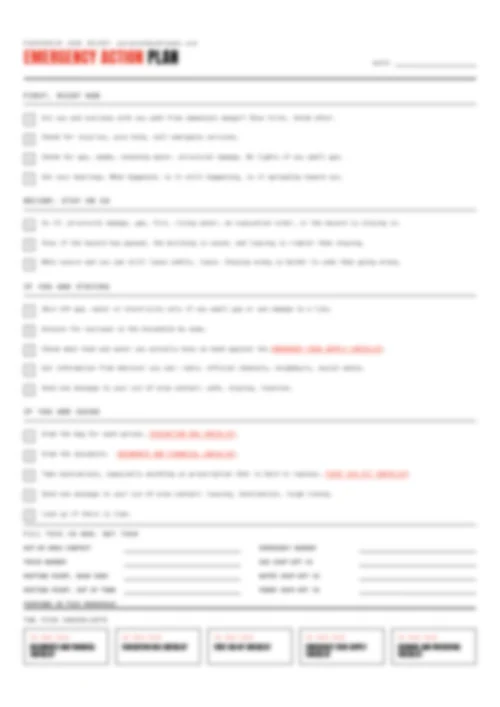
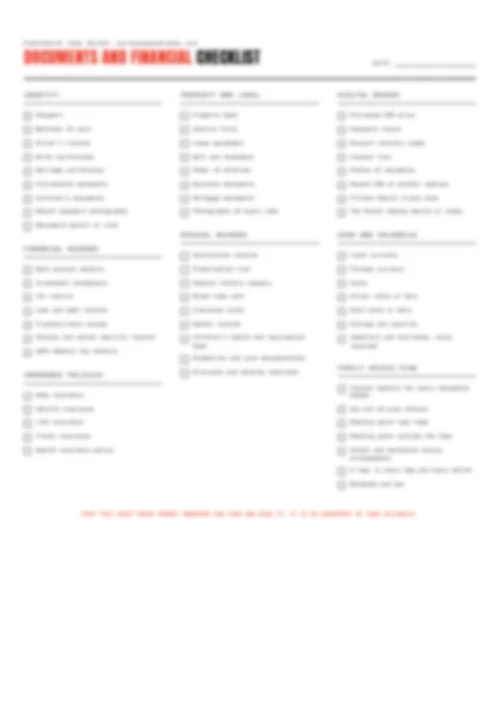
Paranoid Action Plan
Print it, fill it in, and keep copies somewhere everyone can reach.