Paranoid and Ready
‹ Guides The Paranoid Way

How to Build an Evacuation Bag

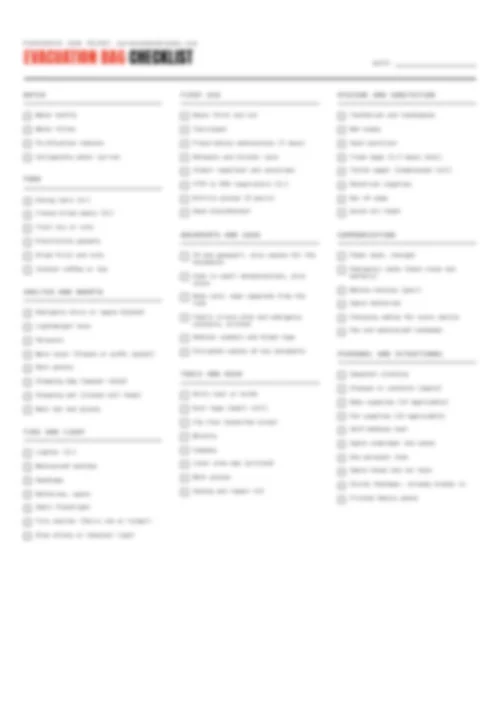
71 items in 10 sections. One A4 page, printable.

Get the checklist, free

  • Water bottle (1L minimum)Stainless steel or durable plastic. Doubles as a container for boiling.
  • Water filterPortable gravity or pump filter. LifeStraw, Sawyer Mini, or equivalent.
  • Purification tabletsBackup to your filter. Iodine or chlorine dioxide tablets. Light and compact.
  • Collapsible water carrier (5 L)Weighs nothing empty. The bottle covers the walk, this covers the first day at the other end.

  • Energy bars (6+)High-calorie, compact, no preparation needed. Rotate every 12 months.
  • Freeze-dried meals (3+)Just add hot water. Lightweight and calorie-dense.
  • Trail mix or nutsQuick calories, good shelf life, no preparation.
  • Electrolyte packetsPrevents dehydration, especially in hot climates or during physical exertion.
  • Dried fruit and nutsCalorie dense, no cooking, no water. Rotate every six months.
  • Instant coffee or teaCosts nothing to carry and holds a routine together on the third bad day.

  • Emergency bivvy or space blanketReflects body heat. Weighs almost nothing. Can save your life in cold weather.
  • Lightweight tarpRain protection, ground cover, improvised shelter. Versatile and compact.
  • Paracord (50 ft minimum)Shelter construction, gear repair, clothesline, tourniquet in emergencies.
  • Warm layer (fleece or puffy jacket)Packable insulation. Choose based on your climate.
  • Rain ponchoKeeps you and your pack dry. Can double as a ground sheet.
  • Sleeping bag (season rated)A space blanket keeps you alive for a night. A bag lets you sleep, which is what the second week needs.
  • Sleeping mat (closed cell foam)Ground steals more heat than air does. Skipping the mat is the most common mistake in a packed bag.
  • Wool hat and glovesCheap, tiny, and the difference between cold and losing the use of your hands.

  • Lighter (2+)Primary fire source. BIC lighters are reliable and cheap. Pack two.
  • Waterproof matchesBackup fire source. Store in a waterproof container.
  • Headlampundefined
  • Batteries, spareundefined
  • Small flashlightBackup light source. LED for battery life.
  • Fire starter (ferro rod or tinder)Works when lighters fail. Pair with cotton balls and petroleum jelly.
  • Glow sticks or chemical lightNo batteries, no flame, no off switch. Useful for marking a room or a child.

  • Basic first aid kitBandages, antiseptic, gauze, medical tape, pain relievers, antihistamines.
  • TourniquetStops life-threatening bleeding. Learn to use it before you need it.
  • Prescription medications (7 days)Whatever you take daily. Rotate regularly for freshness.
  • Moleskin and blister careYou will be walking. Blisters can be debilitating.
  • Insect repellent and sunscreenClimate-dependent but often critical.
  • FFP3 or N95 respirators (2+)Smoke, dust and building collapse. The mask you own is the only one available on the day.
  • Nitrile gloves (5 pairs)For treating someone who is not you.
  • Hand disinfectantWater for washing runs out long before water for drinking.

  • ID and passport, plus copies for the householdundefined
  • Cash in small denominations, plus coinsundefined
  • Bank card, kept separate from the restundefined
  • Family crisis plan and emergency contacts, printedundefined
  • Medical summary and blood typeundefined
  • Encrypted copies of key documentsundefined

  • Multi-tool or knifeCutting, prying, screwing, can opening. A quality multi-tool covers many needs.
  • Duct tape (small roll)Wrap around a pencil to save space. Repairs almost anything temporarily.
  • Zip ties (assorted sizes)Lightweight fasteners for gear repair and improvised solutions.
  • WhistleSignal for rescue. Louder and more sustainable than shouting.
  • CompassNavigation when GPS and phone batteries die.
  • Local area map (printed)Know your evacuation routes. Digital maps require power.
  • Work glovesBroken glass and hot metal. The first thing anyone clearing debris wishes they had.
  • Sewing and repair kitA torn strap ends a walk. Needle, strong thread, safety pins, adhesive patches.

  • Toothbrush and toothpasteSmall tube. Oral hygiene prevents infections.
  • Wet wipesBody cleaning when water is limited. Multipurpose.
  • Hand sanitizerWhen soap and water are unavailable.
  • Trash bags (2-3 heavy duty)Rain protection, waste disposal, improvised poncho, gear waterproofing.
  • Toilet paper (compressed roll)Vacuum-sealed or compressed. You will want this.
  • Menstrual suppliesNot optional, not improvisable, and never stocked in an emergency shelter in useful quantity.
  • Bar of soapOutlasts every gel and works in cold water.
  • Quick-dry towelPacks to the size of a fist. Staying dry is warmth.

  • Power bank, chargedCheck it twice a year. A flat power bank is luggage.
  • Emergency radio (hand crank and battery)Crank as well as battery. Sirens and broadcast radio are still how an alert reaches you when the network is down.
  • Walkie-talkies (pair)The phone network fails first and is the last thing restored. Short range radio needs no infrastructure at all.
  • Spare batteriesIn the sizes your torch, radio and hearing aids actually take.
  • Charging cables for every deviceOne cable per device, kept in the bag and never borrowed from it.
  • Pen and waterproof notebookAddresses, registration numbers, names of officials, times. You will not remember any of it.

  • Seasonal clothingAdjust for your climate. Extra socks are always worth the weight.
  • Glasses or contacts (spare)If you depend on corrective lenses, pack a backup pair.
  • Baby supplies (if applicable)Diapers, formula, wipes, medication. Pack for 72 hours.
  • Pet supplies (if applicable)Food, leash, medication, carrier. Pets need evacuation plans too.
  • Self-defense toolSituational. Know your local laws and your own capabilities.
  • Spare underwear and socksDry socks outrank almost everything else in this list.
  • One personal itemA photograph or a keepsake. It weighs nothing and it is what makes a shelter bearable.
  • Spare house and car keysKept in the bag, not on the hook by the door you just left through.
  • Sturdy footwear, already broken inundefined
  • Printed family photoundefined
Read further
Bug Out Bag Recipe Book

Bug Out Bag Recipe Book

Dr. James Ausfahl & Creek Stewart

DIY lightweight meals for bug-out bags and emergency kits. Practical recipes using shelf-stable ingredients.

Amazon
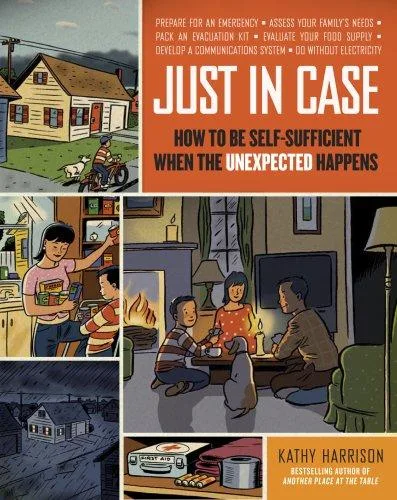
Just in Case

Just in Case

Kathy Harrison

One of the best introductions to prepping. Candid, approachable, especially useful for families just getting started.

Amazon